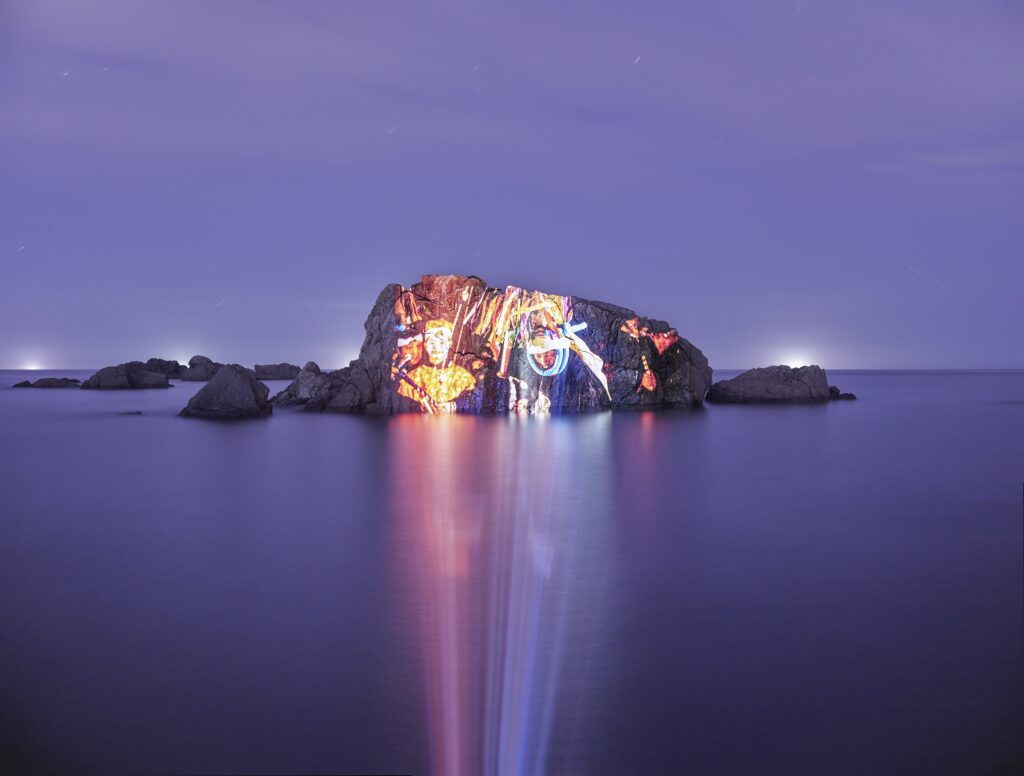
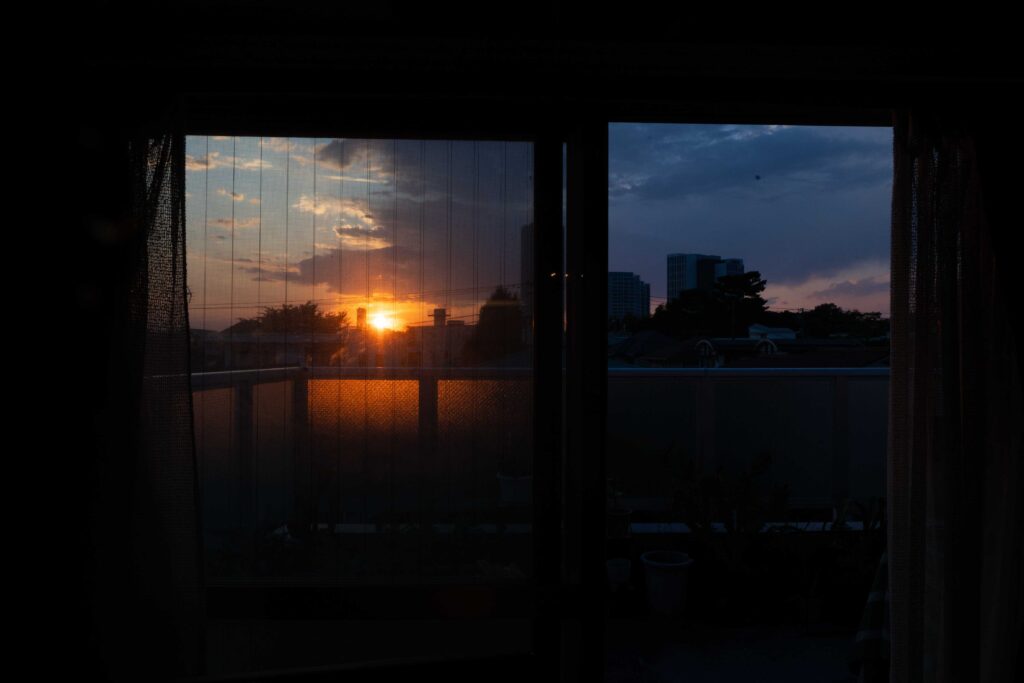
On display are over 80 works, including photographs and videos by 16 artists: Asakai Yoko, Hayashi Noriko, Ishikawa Naoki, Kai Keijiro, Kawauchi Rinko, Momose Aya, Nagashima Yurie,
Nomura Sakiko, Shimonishi Susumu, Sato Tokihiro, Sugimoto Hiroshi,
Suzuki Risaku, Suzuki Ryoko, Tomoko Yoneda, Miyagi Futoshi, Yokota Daisuke.
The exhibition
The exhibition in Trieste aims to bring together three themes – Memory and Identity, Body and Bodies, Reality and Vision – a collection of works by contemporary Japanese artists who, through the use of images, offer a broad overview of the current Japanese photography and video scene, from dialogue with the masters to the research of new generations committed to reinterpreting Japan’s recent history, questioning issues of gender and everyday life, and sometimes using the body as a political medium.
‘Recognised since the 1930s as one of the most important photographic schools internationally, establishing itself in the early years of the third millennium with artists such as Hiroshi Sugimoto, Nobusyoshi Araki, Daido Moriyama and others, contemporary Japanese photography – observes curator Filippo Maggia – now seems to be opening up to interpretations that correspond to a generational renewal that is certainly closer to Western themes and issues.”
While 20th-century Japanese photography was long characterised by a strongly identity-based and self-referential language, today we are witnessing a significant change of direction: many young and established artists are taking as their reference point not only the complexity of their own country, but also global changes, constructing a close dialogue with Western themes such as gender issues, collective memory, social relations, the environment and the perception of images.
Memory and identity
Noriko Hayashi and Tomoko Yoneda revisit crucial periods and events in recent Japanese history through an approach that is both documentary and participatory. Susumu Shimonishi, with a zenithal shot and a moving image that becomes a measure of time, reflects on the continuity and fractures of the past. The daily life of the Okunoto peninsula – still suspended between tradition and marginality – is at the centre of the works of Naoki Ishikawa, a pupil of Moriyama. The celebrations and rituals that define the cultural fabric of the country emerge in Keijiro Kai‘s photographs, while Miyagi Futoshi’s videos explore personal memory and the construction of gender identity through an intimate account of memories and relationships.
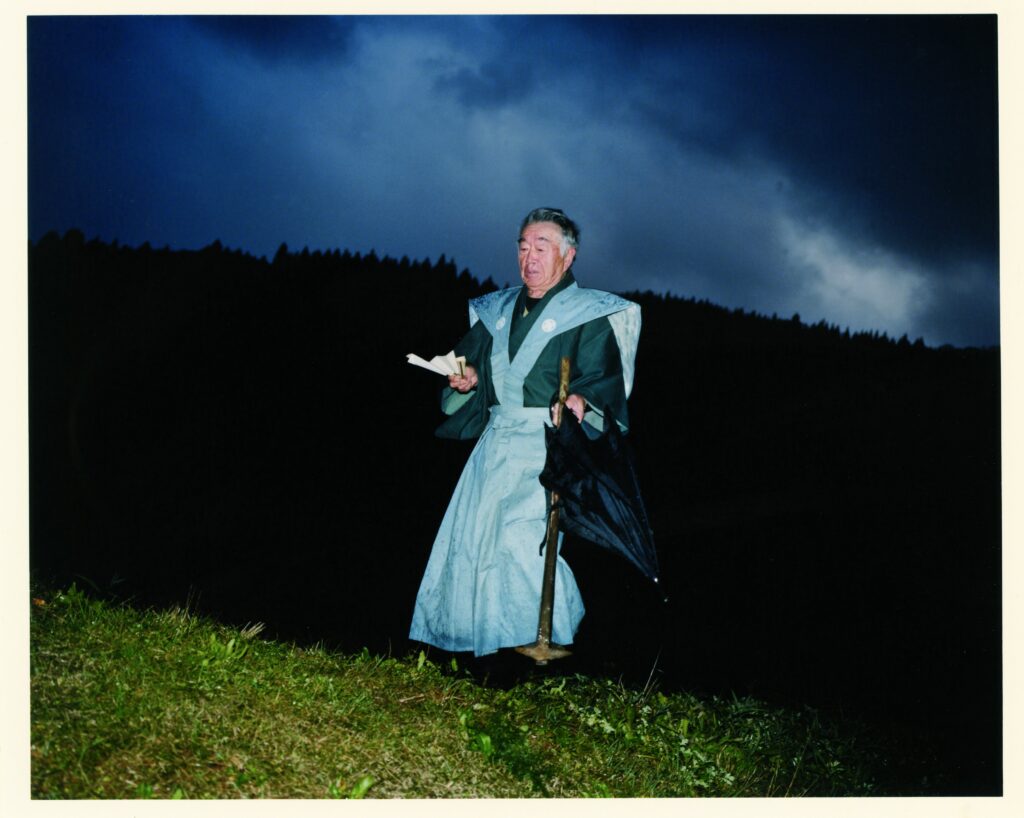
Naoki Ishikawa - Okunoto Peninsula #036

Tomoko Yoneda - Japanese House series copyright the artist, Courtesy of ShugoArts
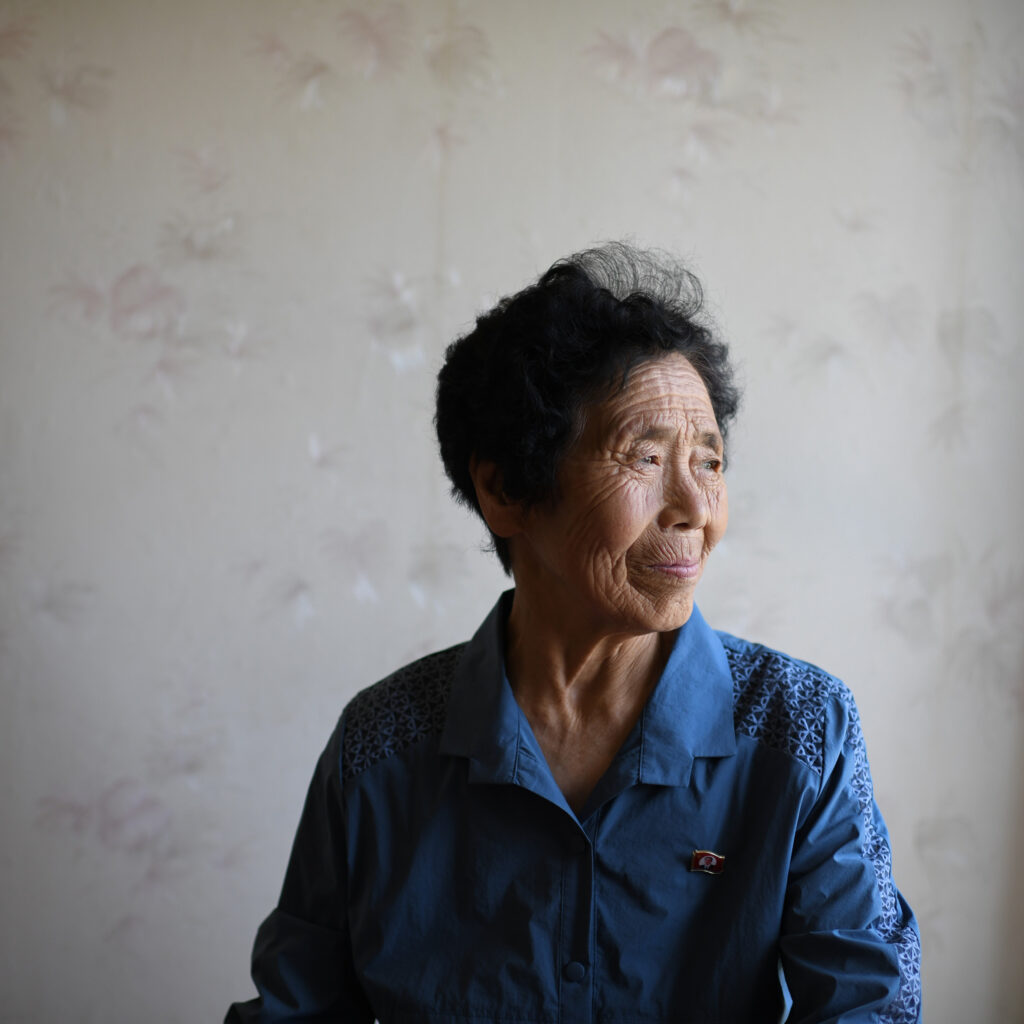
Noriko Hayashi . Dalla serie “Sawasawato”
Body and bodies
A second section is dedicated to the body. The body as a social space, as a political place, as living matter that responds to contemporary changes. Aya Momose works on the distance – and sometimes misunderstanding – between Eastern and Western visual codes. Yurie Nagashima conveys the delicacy of everyday family life, while Ryoko Suzuki directly addresses the issues of violence and social pressure on women. The photographs of Sakiko Nomura, Araki’s assistant for many years, use male nudes to convey an existential shyness that seems filtered through the distracting rhythm of Tokyo, immense and impersonal.
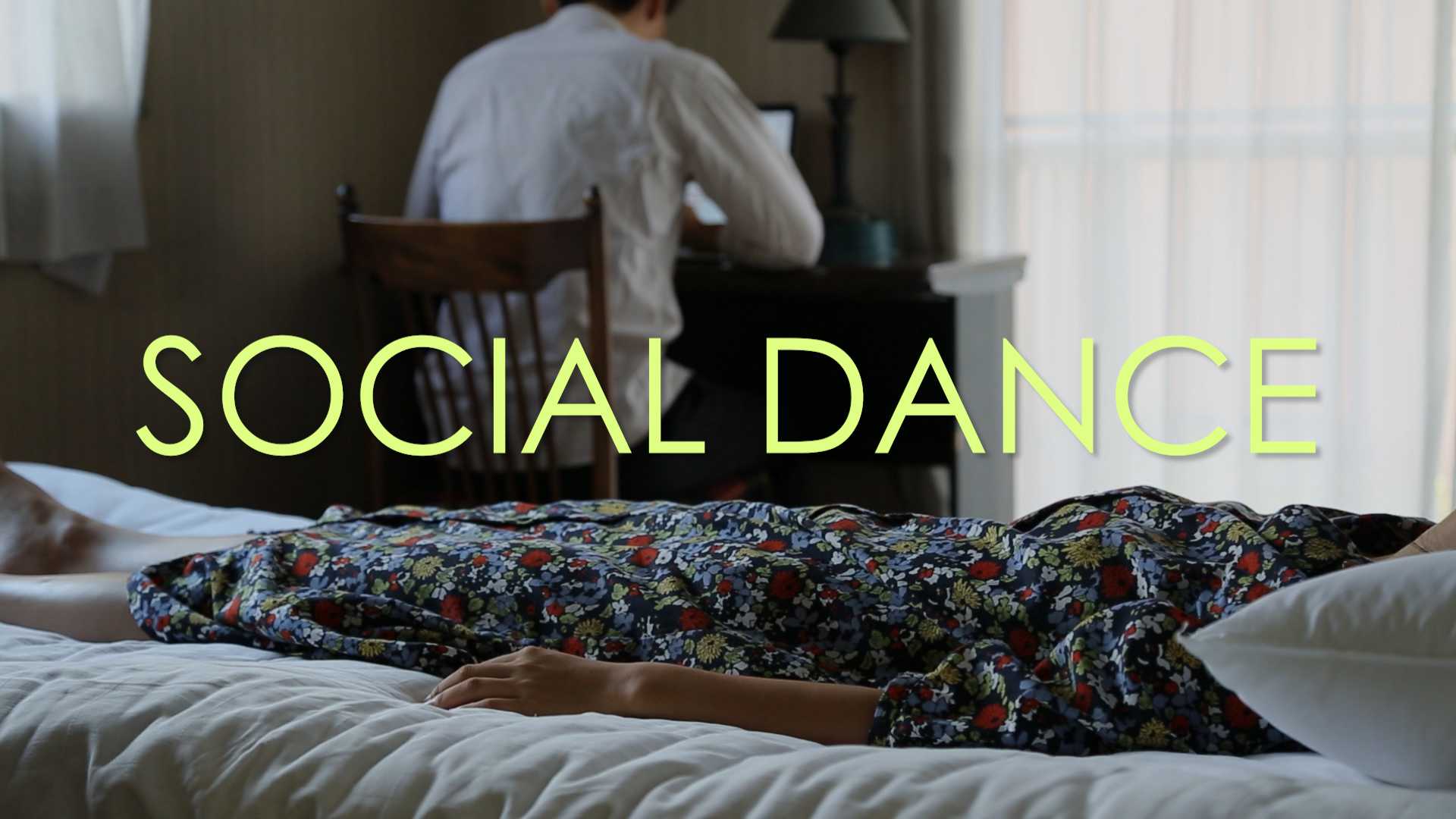
Aya Momose - Social Dance
Reality and vision
In the Reality and Vision section, the dialogue between what we see and what we imagine runs through the works of Hiroshi Sugimoto, a master at making time tangible. His essential, meditative images are juxtaposed with Tokihiro Sato‘s luminous scenographies, constructed with technical interventions that transform photography into narrative space. Risaku Suzuki‘s grand visions emerge from the forest like suspended paintings, while Daisuke Yokota dissolves contours and references into evanescent images. In Rinko Kawauchi‘s work, reality becomes an emotional stage, where sensations, rather than subjects, emerge. Finally, Yoko Asakai invites the viewer to “cross the screen”, transforming the flow of video images into an experience that seems to sprout within the gaze.
The exhibition will be accompanied by the publication of the book Japan. Corpi, memorie, visioni (Japan. Bodies, memories, visions), edited by Filippo Maggia and Guido Comis and published by Silvana Editoriale, supported by the Japan Foundation
Opening hours
From 14.02 to 07.06.2026
Tuesday – Sunday 10.00 a.m. – 7:00 p.m.
Closed on Monday
Special opening
6th April 2026
Tickets
Full price € 8,00
Reduced € 5,00: – Persons aged 65 and over – Children aged 12 to 18 – Students aged up to 26 – Persons with disabilities – TCI members
Free admission: – Children aged up to 12 – Group leaders (1 per group) – Teachers visiting with pupils/students (2 per group) – one accompanying person per disabled person – ICOM members – journalists with a valid National Press Card on duty
Groups (min. 10 people – max. 25 people): €5.00 each without a guide €4.00 each with a guide (plus €50.00 for the guide)
The ticket office closes half an hour before closing time.